

How To Manage Parental Leaves Smoothly
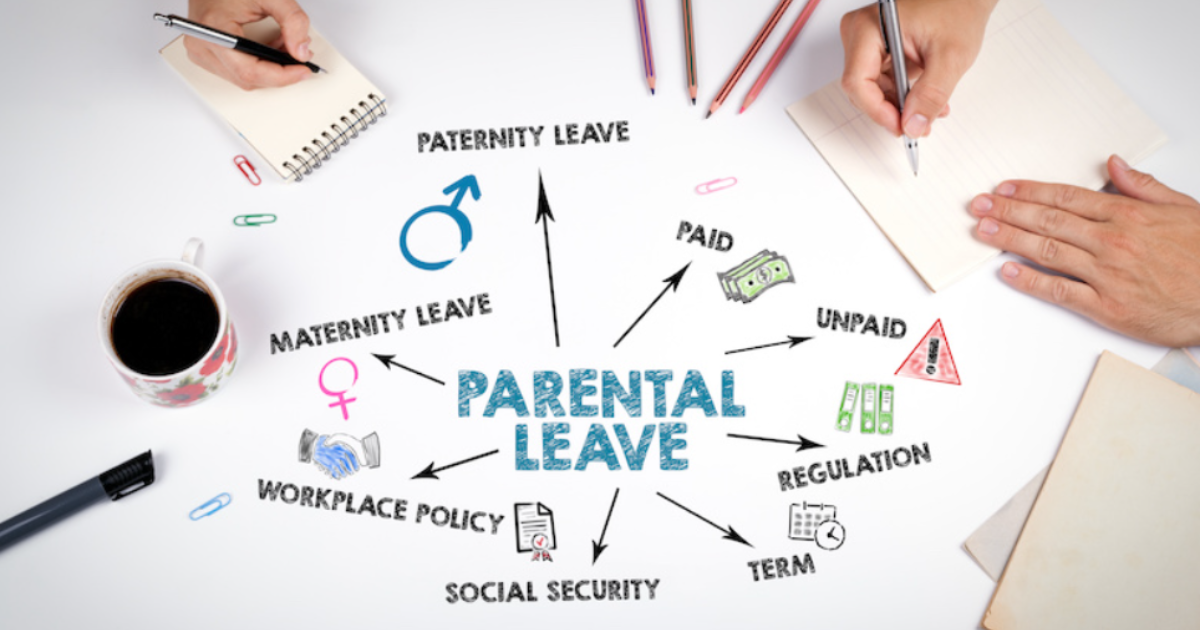
Happy new year! For 2026, we are addressing something we've built our core business around: supporting companies and teams during and after parental leaves.
Why is parental leave support so important?
When workers file for parental leave, organizations are faced with the scramble of filling in a role which has several strings attached:
- the role is not a full-time, permanent one, which can present a staffing challenge;
- the role is already integrated into several functional units so any newly arriving person would need to integrate rapidly into one or more teams; and
- the departing parent will also need to have their role returned to them in a meaningful way upon their return.
Executive Moms, a consulting company based in Dallas, Texas, has just produced their first annual The Future of Working Motherhood report, addressing the gaps that are created when inflexible workplaces place inflexible demands on returning parents—parents who are now facing competing demands on their time.
At Balanced Good, providing human-centric, meaningful parental support is one of the three core services we offer. We wrote most recently in August 2025 about how supporting short-term leaves impacts employee retention. Supporting employees reduces employee burnout and turnover, while improving the sustainability of an organization. It’s a win-win situation that, from a financial standpoint:
- Prevents the loss of institutional knowledge (allowing business to continue to function smoothly and reducing impact on business operations during short-term leaves) while
- Decreasing the cost of training and hiring and
- Increasing the competitive advantage for your company as a hiring company of choice as it values employee contributions and is committed to their long-term happiness.
Surveying 500 working mothers for their report, The Future of Working Motherhood notes that “...the strongest signal is a retention one: 97.5% say they would stay longer at a company that truly supports working mothers. The data suggests that commitment is not the issue, system design is” (p. 6). In the same survey, as a reflection of the foresight needed to reintegrate returning workers, only 21% of the mothers surveyed had a structured re-entry plan.
While some of the observations shared are specific to the American context and the lack of significant parental leave allowances, nevertheless, inflexible management responses, meetings scheduled too late or too early in the day, exclusionary social events focused on non-parents, and perceptions of parents as “not carrying their fair share” can lead to the same results: parents returning to work feeling that they are no longer considered as valuable as non-parents.
How to prevent employee turnover and increase retention
Having specific return-to-work supports for parents, such as ensuring that there is overlap between the temporary staffer and the returning staff member, can go a long way to ensuring that the transition back to work is smooth.
When we partnered with JA Central Ontario to provide leave coverage for their Senior Director of Development, we provided a two-week overlap, in addition to a fulsome return to work report detailing the work we had done in their absence. These measures were invaluable for helping the organization ensure a smooth transition while supporting and valuing the returning team member.
Other measures, such as considering the start and end times of meetings, the structure of social events and expectations for socializing outside of work, opportunities to offer flex schedules to facilitate tired parents’ caregiving responsibilities, allowances to care for sick kids, and incentives based on contributions to team morale in addition to productivity, go a long way to thinking through the many ways which parents and caregivers contribute to overall workplace morale.
Do you have a short-term leave coming up? Not sure whether your workplace supports your team holistically? Looking to improve your employee retention rate and decrease turnover? Drop us a line